
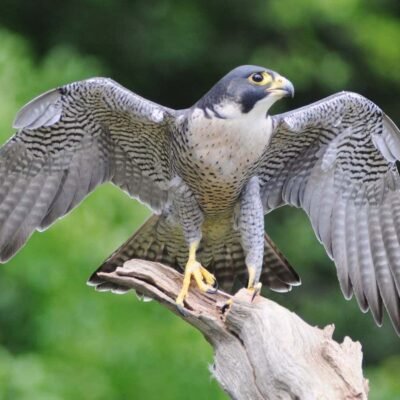
The inside story of heroic efforts to save three bird species
[ad_1] The peregrine falcon, the world’s fastest bird, is thriving again in North America – for now MIKE WALKER/Alamy Feather TrailsSophie A. H. Osborn (Chelsea Green)
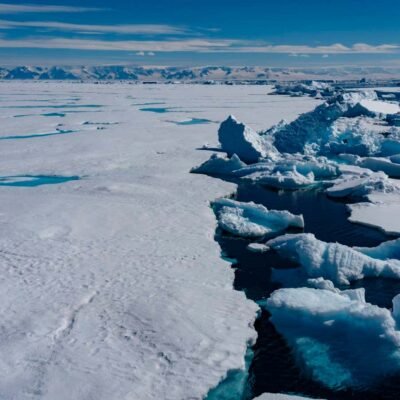
Melting Antarctic ice could actually slow sea level rise
[ad_1] An ice shelf on the Weddell Sea in Antarctica Sergio Pitamitz/VW Pics/Universal Images Group via Getty Images Rising land beneath Antarctica’s ice sheet could
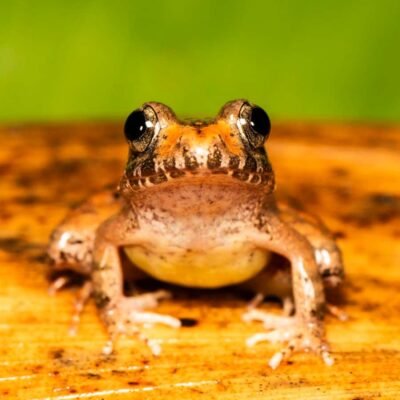
Charles Darwin’s frogs turn mating upside down
[ad_1] Turning around and backing up out of pools found in tree hollows may help mating Charles Darwin’s frogs find a safe place to lay
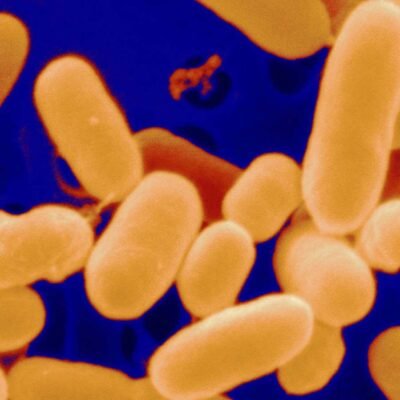
Bacteria originally found in faeces help chronic wounds heal
[ad_1] The bacterium Alcaligenes faecalis has unexpected wound-healing effects SciMAT /Science Photo Library An open wound is the perfect playground for bacteria – but some
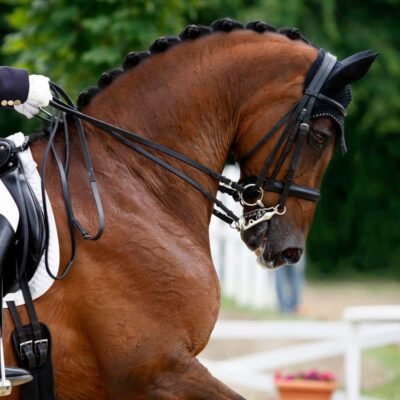
Rollkur: Are horses in equestrian sports being harmed by neck hyperflexion?
[ad_1] A dressage horse iStockphoto During the Olympic equestrian events of dressage, horses display dance-like steps that demand high levels of muscular strength and control
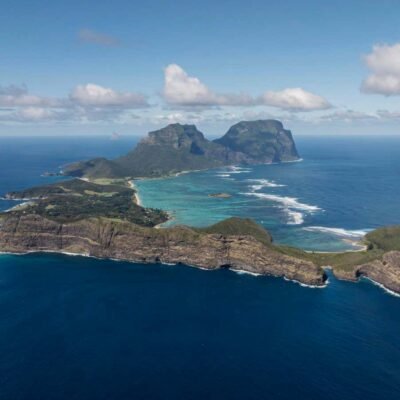
Photos of an island paradise reveal plastic threat for bird population
[ad_1] Lord Howe Island Neal Haddaway Poking out of the Tasman Sea between Australia and New Zealand is a crooked, crescent-shaped volcanic remnant called Lord
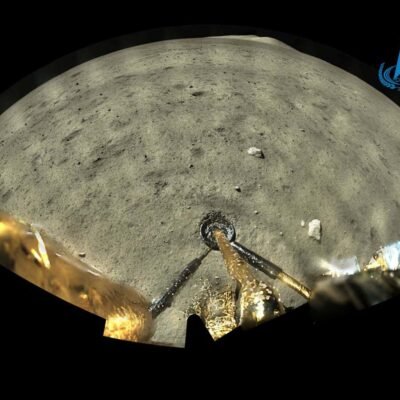
Water molecules found in lunar rock sample for the first time
[ad_1] Although previous studies have found hydrogen and oxygen in moon minerals – implying the presence of water – whole molecules of H2O have never
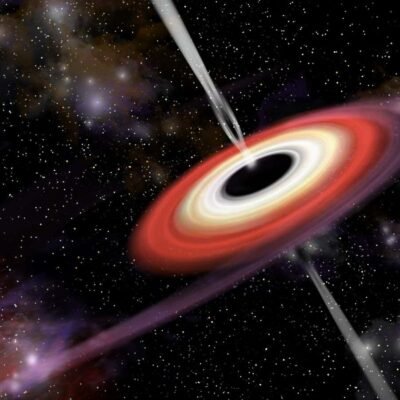
Black holes may inherit their magnetic fields from neutron stars
[ad_1] Short-lived neutron stars may explain both the extreme magnetic fields of black holes and gamma ray bursts, the most powerful explosions in the universe
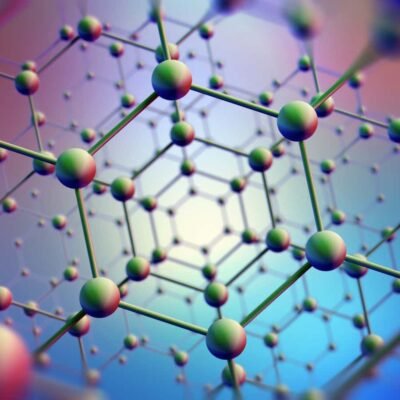
PFAS: Quantum dots help destroy ‘forever chemicals’ with light
[ad_1] The carbon-fluorine bonds in “forever chemicals” make them hard to destroy Yurchanka Siarhei/Shutterstock Some “forever chemicals” – so named because of how difficult they
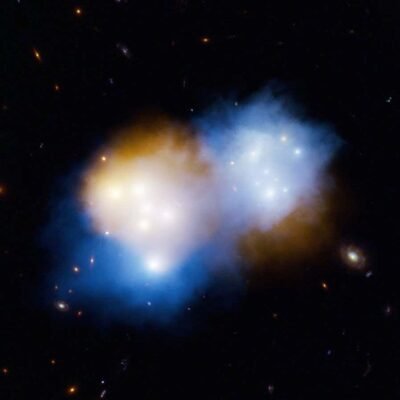
Galaxy cluster smash-up lets us observe dark matter on its own
[ad_1] When galaxy clusters collided, the dark matter (blue) sailed ahead of the normal matter (orange) W.M. Keck Observatory/Adam Makarenko When two enormous clusters of