

Separating the “woo” from the work of manifesting in two new books
[ad_1] If you manifest it hard enough, might you find yourself here? David Hornback/Millennium Images Mind MagicJames Doty (Yellow Kite (UK); Avery (US)) The Neuroscience of
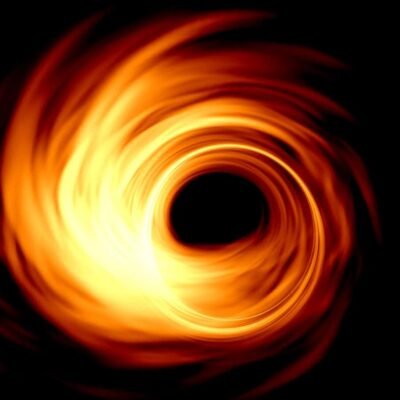
What does it mean to “look” at a black hole?
[ad_1] A simulation of a black hole Hotaka Shiokawa/EHT General relativity teaches us that reality is, in some sense, a matter of perspective. Consider how

More evidence that limiting social media won't boost your well-being
[ad_1] People who went from using social media for at least 2 hours a day to just 30 minutes a day reported no improvement to
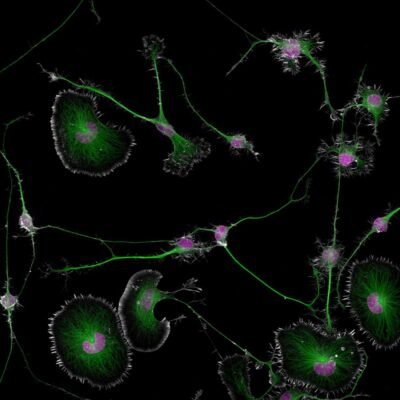
These stunning photos celebrate the intricacy of the microscopic world
[ad_1] Tumour cells in a mouse’s brain Bruno Cisterna/Nikon Small World A snapshot of a delicate web of tumour cells inside a mouse’s brain has
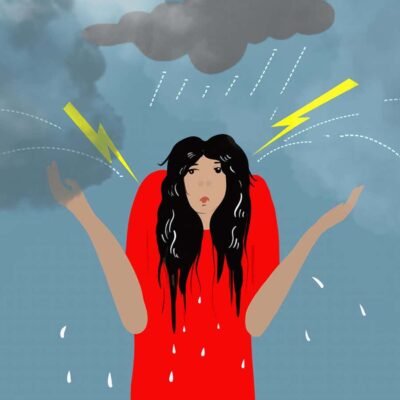
Can rain help a “human head” survive a lightning strike? Possibly
[ad_1] Flash on the pate While research in Ireland suggests that hats can protect scalps from the sun (see Feedback, 13 July), research in Germany
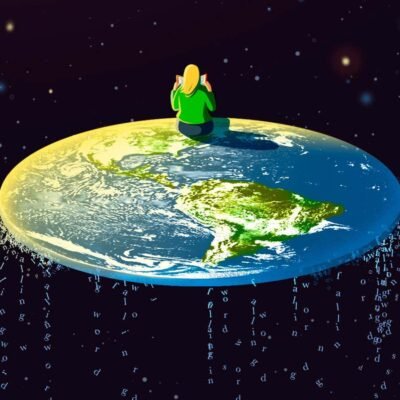
Readers deserve better from popular science books
[ad_1] Non-fiction publishing is failing its readers. It is pumping out books with supposedly game-changing ideas, without bothering to ensure basic accuracy. These tomes have
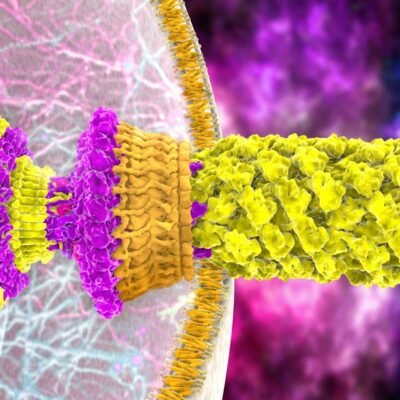
Motor made from bacteria parts is one of the smallest ever built
[ad_1] An illustration showing the natural motor of a bacterium RAMON ANDRADE 3DCIENCIA/SCIENCE PHOTO LIBRARY A living motor made by combining different parts from bacteria
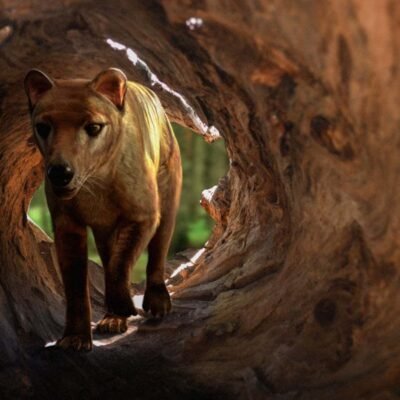
De-extinction company Colossal claims it has nearly complete thylacine genome
[ad_1] Thylacines, or Tasmanian tigers, went extinct in 1936 Colossal Biosciences The genome of the extinct thylacine has been nearly completely sequenced, de-extinction company Colossal
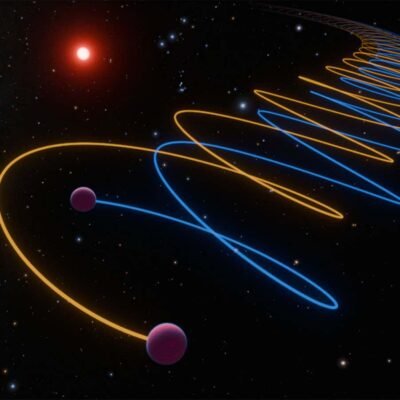
The first brown dwarf ever found was the strangest – now we know why
[ad_1] Congratulations, it’s twins K. Miller, R. Hurt/Caltech/IPAC An odd star that has confused researchers for decades now makes sense – it turns out not
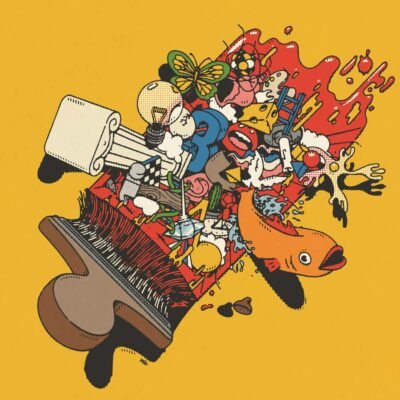
The free-energy principle: Can one idea explain why everything exists?
[ad_1] Neuroscience seems an unlikely place to find fundamental truths that could apply to everything in the universe. Brains are specific objects that do things