[ad_1]
What is perimenopause? Read on to learn more about this natural event that’s affecting 1.2 billion women.

Aging doesn’t have to mean suffering through symptoms. What is perimenopause? Understand your body & improve your quality of life with us!
I was recently sitting poolside with some friends when one of them started talking about their changing body and one said “You’ve got to listen to the perimenopause podcast I keep telling you about!”. It immediately caught my attention and I knew I needed to hear it too.
As a mom of three and in my mid-30s I want to be prepared for what’s inevitably happening to my body (in the near future, at that). Women live about a third of their lives going through these changes, so being educated can make the transition smoother and empower you to live a more balanced life. Menopause is impacting 1.2 billion women and there’s lots of conflicting information so we’re certainly not alone in looking for answers that can help.
If you’re reading this, it’s time to get educated on your mind, body, and hormones and embrace these changes!

What is perimenopause?
Perimenopause is the transitional period before menopause, marking the natural decline in reproductive hormones in a woman’s body. It’s a natural part of aging and eventually leads to menopause, which is defined as the cessation of menstrual periods for 12 consecutive months.
As described by Dr. Mary Claire Haver, perimenopause is the moment in time before menopause when your body realizes something’s not right. Whether that be gut challenges, inflammation in joints, mental challenges, and more.
When does perimenopause start?
Perimenopause usually begins about 7-10 years before your period stops. Typically this happens when women are in their 40s, but it can begin as early as your 30s.

Signs of perimenopause:
There are MANY symptoms that can be related to perimenopause and menopause that you may not even realize. Think about it, women’s bodies have thrived on estrogen their entire lives, but as we age it quickly starts to deplete. Significantly lower estrogen in the body has a major effect on every single aspect of your system from your organs to your muscles and bones, and more. During perimenopause, it may feel like your body is starting to go haywire.
What’s more, symptoms vary from woman to woman so it’s difficult for a doctor who’s not properly educated on menopause to correctly diagnose the root of the problem. Symptoms may include the following:
- Irregular menstrual cycles
- Hot flashes
- Night sweats
- Mood swings
- Vaginal dryness
- Weaker bones (Osteoporosis)
- Brain fog
- Weight gain
- Constipation
- Diarrhea
- Dry skin
- Ear ringing
- Body odor
- Autoimmune disease
- Dry mouth
- Lower sex drive
- Heightened cholesterol
- Frozen shoulder
- Depression
- General urinary symptoms of menopause:
- Urinary incontinence
- Painful urination
- Recurrent UTI’s
- Frequent urination
- Inflammation in the body
- Heart palpitations
- Migraines
- and many more

So how can you make things better for you?
Learning what the lack of estrogen does to your body is important to understanding your symptoms and being able to help yourself through this transition. Every body is unique and symptoms can vary from woman to woman.
Hormone Replacement Therapy has conflicting opinions, but research has proven this to be extremely beneficial to perimenopausal women and beyond. Just keep in mind, that some women may not be candidates for HRT due to certain health conditions so it’s important to consult a hormone therapy professional.
In addition to hormone therapy, lifestyle factors such as proper nutrition, exercise, stress management, and adequate sleep can also play a role in hormone balance and overall well-being. Your healthcare provider may recommend lifestyle changes to complement hormone therapy. Training your body to be strong, not skinny is key. (Resistance training is a great place for anyone to start a fitness journey).
Supplements may be helpful as well. Although it’s crucial to get the majority of your nutrients in the foods you eat. Supplementation should be used to fill in gaps or where you have an allergy or intolerance.

According to Dr. Mary Claire Haver (a menopause expert), these are the top 4 perimenopause supplements she recommends to women:
- Fiber: Feeds your gut microbiome.
- Some foods to get fiber naturally: legumes, berries, seeds & nuts, and avocados.
- Magnesium: This can be helpful for sleep, anxiety, brain health, depression, constipation, and more. Dr. Mary Claire Haver recommends Magnesium L-Threonate as the ideal supplement to take.
- Some foods to get magnesium naturally: pumpkin seeds, leafy greens, brown rice, quinoa, bananas, dark chocolate, and fatty fish.
- Omega 3 Fatty Acids: Essential for maintaining heart health, brain function, and overall well-being.
- Some foods to get omega 3s naturally: fatty fish (salmon, tuna, mackerel), flax & chia seeds, walnuts, soybeans, spinach, kale, and brussels sprouts.
- Vitamin D: Essential for bone health, immune function, and overall well-being.
- Some foods to get vitamin D naturally: fatty fish, egg yolks, fortified dairy products (milk, yogurt, & cheese), mushrooms, pork liver, and fortified cereals.

Signs perimenopause is ending.
The signs that perimenopause is ending and transitioning into menopause can vary from woman to woman, but here are some common indicators:
- Consistent Menstrual Changes: Towards the end, periods become less frequent, lighter, or irregular. Menstruation stops completely for at least 12 consecutive months, indicating the start of menopause.
- Decrease in Perimenopausal Symptoms: Many women experience a reduction in perimenopausal symptoms as they approach menopause. Symptoms may become less frequent or less severe.
- Stabilization of Hormone Levels: Hormonal fluctuations are characteristic of perimenopause but tend to stabilize as menopause approaches. Estrogen levels typically decline, and hormonal imbalances become less pronounced.
- Resolution of Menopausal Symptoms: Some women find that once they have officially entered menopause, many of the bothersome symptoms associated with perimenopause begin to resolve entirely. For example, hot flashes and night sweats may diminish or disappear altogether.
- Physical Changes: Along with hormonal shifts, physical changes may occur as perimenopause transitions into menopause. These changes can include alterations in skin texture, changes in body composition (such as weight redistribution), and shifts in hair growth patterns.
- Emotional Well-Being: Some women experience improvements in mood and emotional well-being as they move past perimenopause. Mood swings and feelings of irritability or anxiety may decrease, leading to a greater sense of emotional stability.
Important: Once you’ve gone a year without a period, you are a post-menopausal woman. Any vaginal bleeding after perimenopause should be evaluated by a doctor.
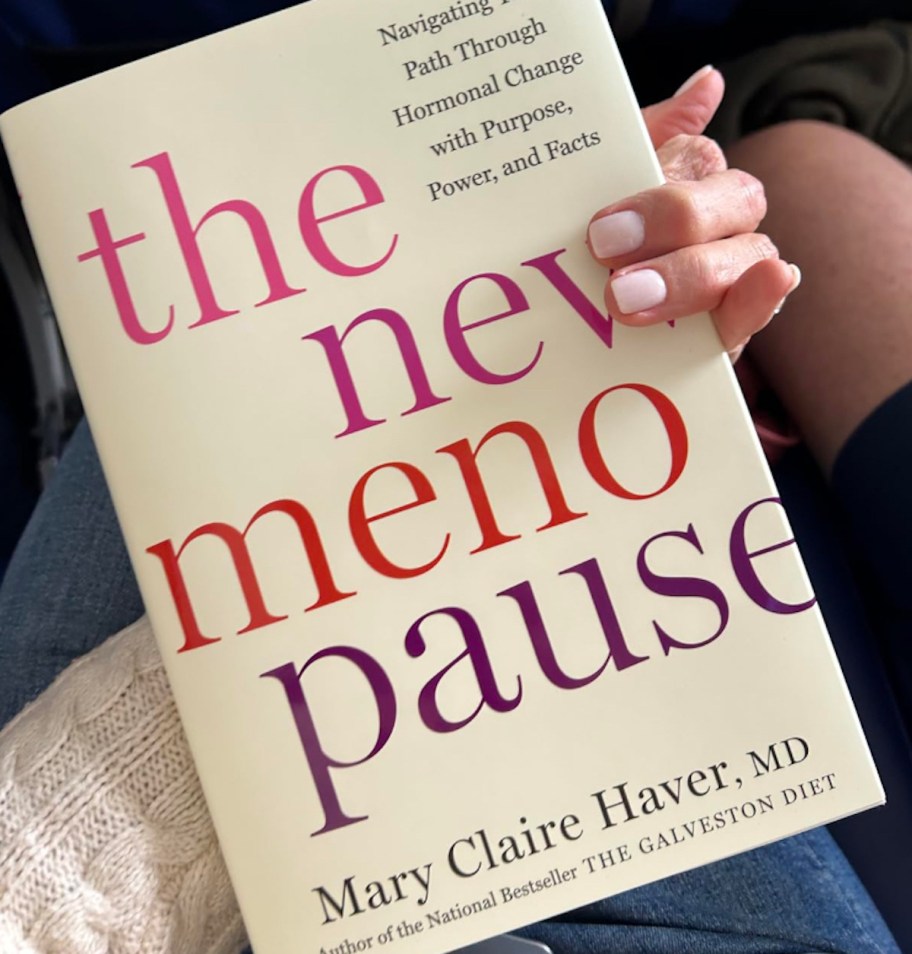
Want to continue your education on perimenopause with experts? Here are a few recommendations:
Discover more menopause resources HERE.
[ad_2]
Source link